Get a quote today!
CALL 1300 947 471

5 STAR GOOGLE RATING
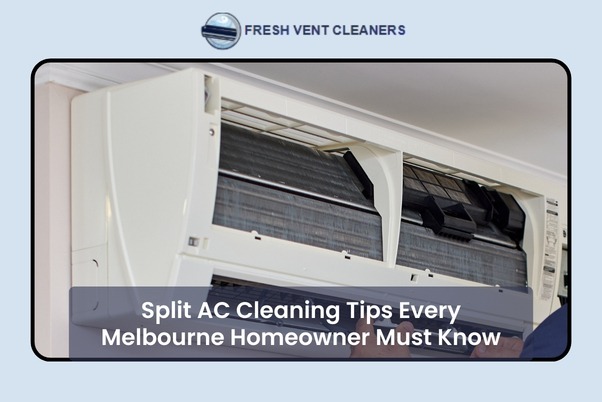
A clean and efficient air conditioner is a must for each Melbourne homeowner, particularly during the summer months when temperatures are hot. Regular Split AC Cleaning is not just about improved cooling; it enhances the indoor air quality as well as reduces energy costs and prolongs the life of your AC. No matter if you’re running a commercial or commercial unit, making sure you follow the correct cleaning techniques is crucial to keep your AC in top shape.
In this article, we will provide the most important Tips for Split AC Cleaning that every Melbourne homeowner should be aware of to ensure you have the health and efficiency of your cooling system all through the season.
Air conditioners that are split can be commonly utilized in Melbourne homes because of their small size and efficient cooling. But if they are not properly cleaned, allergens, dust, and bacteria may build up within the unit. This can cause:
A regular split AC cleaning ensures that your system is running smoothly, which saves you money and keeps your family members safe from harmful contaminants.
Safety is of paramount importance. Always turn off the AC before you begin any cleaning. Unplug the AC prior to commencing any cleaning process to stay clear of dangers from electricity.
Filters hold dust and allergens; keeping them clean every two weeks is vital. Clean washable filters using moderate soap, water. Then allow them to dry completely. Replace non-washable filters in accordance with the guidelines provided by the manufacturer.
Use an easy, damp cloth to clean the outside and inside of your indoor device. Avoid harsh chemicals since they can harm the paint and plastic. Concentrate on areas that are susceptible to the accumulation of dust.
Condenser coils that are dirty can affect effectiveness. Make use of a soft brush or a vacuum cleaner to get rid of dirt from your coils. For a thorough cleaning, experienced AC technicians can make use of sprays for cleaning the coils.
A blocked drain pipe could cause water leakage as well as the growth of mold. Be sure that the pipe is free for proper drainage. This will avoid water damage.
The outdoor unit is subject to leaves, dust, and dirt. Clean the area regularly and clean the unit using the help of a damp cloth. Be careful not to spray water directly at high pressure.
While DIY cleaning can help maintain your unit, a professional split AC cleaning at least once per year will ensure thorough cleaning of the internal parts and coils with chemical cleaning and a general system check-up.
Make sure that curtains, furniture, or other obstructions do not hinder AC airflow. A proper airflow will maximize the efficiency of cooling and decrease the energy use.
If you notice a decrease in temperature or unusual sounds It could be due to the presence of dirt or mechanical problems. A timely professional cleaning can help avoid expensive repairs.
Select non-toxic, environmentally friendly cleaners and soaps. They are safe for your family and won’t cause damage to your air conditioner.
By following these guidelines regularly, you can ensure that yyourAC is at its peak, particularly during Melbourne’s high summer heat.
Regular Split AC Cleaning is vital to Melbourne residents to guarantee maximum comfort, efficient energy use, and healthy indoor air. With these suggestions to keep your AC in good working order, avoid costly repairs, and enjoy a pleasant living space all year long. If you need professional and expert AC cleaning, rely on Fresh Vent Cleaners to provide safe, complete, efficient, and reliable solutions.
Filters need to be cleaned every two weeks. A deep-cleaning by a professional is recommended at a minimum once a year.
Yes, the basic cleaning tasks like wiping the unit or washing the filters are possible at home. For coils and internal components,s professional cleaning is more secure.
Professional cleaning typically takes between 60 and 90 minutes per piece, based on the size and condition.
Yes. Clean AC is more efficient and consumes less energy. This results in a reduction in the monthly cost of electricity.
For regular DIY cleaning, simple cleaning, water, and mild soap suffice. Professionals may use safe AC cleaning chemicals for deep cleaning.